
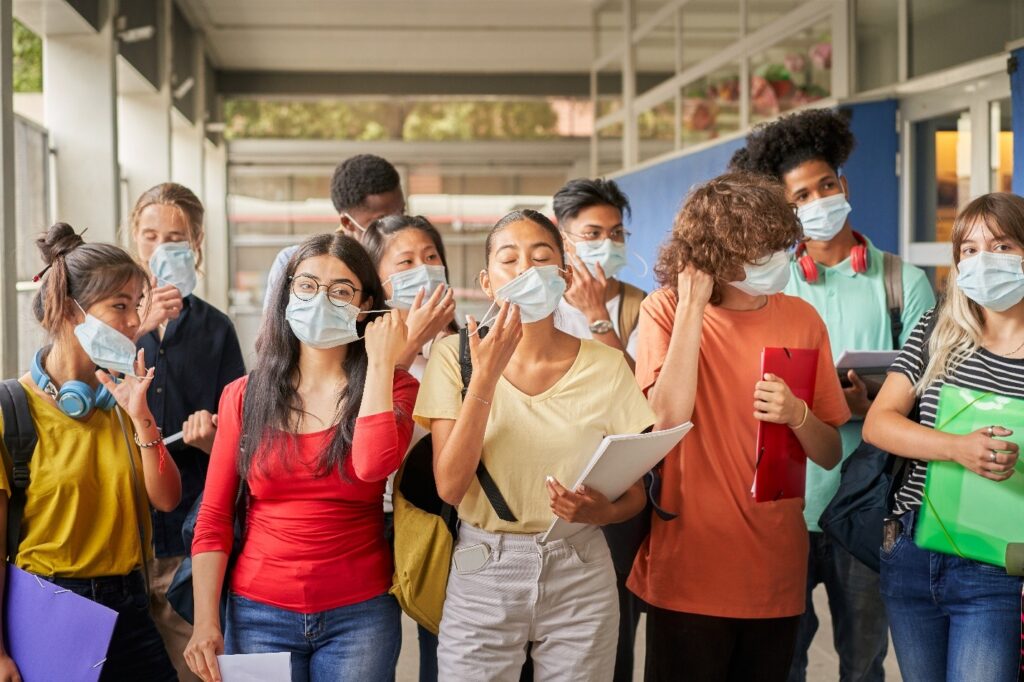
The Effects Of Daily Air Pollution On Students And Teachers
Do you know that air pollution kills more people every year than war, hunger, and natural disasters combined? These are the shocking, silent effects of air pollution on daily life that most people never notice until real damage has already been done. According to the World Health Organization (WHO), air pollution causes around 7 million premature deaths globally each year.
What makes this even more alarming is that students and teachers breathe polluted air almost every single day at home, on the way to school, and inside classrooms. When students fall sick due to poor air quality, keeping up with academic deadlines becomes nearly impossible. That is exactly why many turn to services like All Exams Done to get professional exam and class help when their health simply will not allow them to perform at their best.
Air pollution does not always look dangerous. Indoor classroom air can appear clean while harmful gases and microscopic particles silently float through it. These pollutants damage the body over time, leading to poor focus, frequent sickness, and weakened lung development in students, while teachers experience persistent fatigue, breathing difficulties, and serious long-term health risks.
This post explores how air pollution affects students and teachers, why it matters academically, and what can be done about it.
How Does Pollution Affect The Daily Life Of Humans?
Pollution affects human health in both obvious and hidden ways. It harms the air we breathe, the water we drink, and the land we live on. Over time, it drains energy, damages health, and significantly lowers quality of life. The different types of pollution each affect daily life in distinct ways.
Air Pollution causes breathing problems, coughing, headaches, and fatigue. Long-term exposure leads to asthma, heart disease, and lung damage — all of which directly affect a student’s ability to study, attend class, or sit for an exam.
Water Pollution spreads diseases like diarrhea, typhoid, and cholera. Dirty water disrupts daily routines and is especially harmful to children whose immune systems are still developing.
Noise Pollution from traffic, machines, and construction disturbs sleep and concentration. It causes stress, anxiety, hearing loss, and poor focus at school or work.
Land and soil pollution degrade food quality and increase harmful substances in fruits and vegetables, affecting overall health over time.
Light Pollution from excessive artificial lighting disrupts sleep patterns, resulting in tiredness, low attention spans, and mood problems that directly affect academic performance.
All of these forms of pollution quietly interfere with daily routines, health, and productivity — making life harder and academic success more difficult to reach.
How Does Air Pollution Affect Our Daily Life?
Air pollution affects daily life far more than most people realize. Every breath carries tiny harmful particles into the body. These particles enter the lungs and bloodstream, reducing energy, impairing focus, and deteriorating overall health. Healthy indoor air quality generally falls within an AQI range of 0 to 50; anything above that begins to pose risks.
The main types of air pollutants and their sources include:
Particulate Matter (PM2.5 and PM10) — Tiny dust particles that enter deep into the lungs. PM2.5 is especially dangerous because it can pass into the bloodstream, causing breathing trouble, chest pain, and fatigue.
Carbon Monoxide — Released from vehicles and burning fuels. It reduces oxygen in the blood, causing dizziness, headaches, and weakness.
Nitrogen Dioxide — From vehicles and power plants, this gas irritates the airways and worsens asthma, especially in children.
Sulfur Dioxide — Causes throat irritation, persistent coughing, and shortness of breath, while increasing the risk of lung infections.
Ground-Level Ozone — Leads to chest tightness and reduced lung function, making outdoor activities painful and difficult.
When people are exposed to these pollutants daily, their sleep quality, learning ability, physical activity, and mental health all deteriorate. According to the WHO, more than 90% of the world’s population breathes air that exceeds safe limits. For students with upcoming exams or coursework deadlines, this is not just a health issue; it is an academic one. Getting professional help from All Exams Done becomes a practical solution when health prevents students from performing at their peak.
How Does Air Pollution Affect Students’ Health?
Students are particularly vulnerable to air pollution because their bodies and lungs are still developing. They breathe faster than adults, which means they inhale more polluted air per breath. Daily exposure creates a wide range of physical and mental health consequences.
Asthma and Breathing Disorders — Poor indoor air quality in schools triggers asthma attacks, persistent coughing, and chest tightness. Many students miss school entirely due to these breathing problems.
Frequent Infections — Polluted air weakens the immune system, making students more susceptible to colds, flu, and respiratory infections.
Poor Lung Development — Continuous exposure to pollution can slow lung growth, resulting in lifelong breathing complications that begin in childhood.
Headaches and Fatigue — Pollutants reduce the oxygen supply to the brain, causing headaches and persistent tiredness that make it impossible to stay focused during school hours. Students dealing with these symptoms often look to pay someone to take their online class for me simply because their body will not cooperate.
Reduced Concentration and Memory — Polluted air impairs brain function. Students find it increasingly difficult to focus, retain lessons, and perform well in assessments. This is one of the most common reasons students seek help with high-stakes exams. Whether it is deciding to pay someone to take a GRE test online or needing support with a HESI exam, health-related academic disruption is a very real problem.
Mental Health Issues — Research increasingly links air pollution to elevated stress, anxiety, mood swings, and even higher risks of depression in young people. The mental toll adds another layer of difficulty on top of the physical symptoms.
Students exposed to high pollution levels consistently show lower academic performance, more absences, and less energy overall.
Why Is Air Quality Important In Schools?
Students spend six to eight hours inside school buildings every single day. That means the air inside a classroom directly affects how well a child learns, how healthy they stay, and how effectively a teacher can do their job.
Poor air quality causes sleepiness, headaches, and loss of concentration, not because students are lazy, but because their brains are literally being deprived of clean oxygen. Teachers experience the same effects, leading to burnout, reduced productivity, and long-term respiratory health problems.
Good air quality, on the other hand, improves memory, concentration, and overall classroom behavior. Healthier air means fewer sick days for students and teachers alike. It means better learning outcomes and more effective teaching. Air quality is not a background issue; it is central to what happens inside every classroom, every day.
How Can Air Quality In Schools Be Improved?
Improving school air quality does not require expensive overhauls. Small, consistent actions from both teachers and students can make a significant difference.
| Measure | What Teachers Can Do | What Students Can Do |
| Ventilation | Open windows and doors daily | Sit near fresh air sources |
| Cleanliness | Keep classrooms dust-free | Avoid littering |
| Indoor Plants | Add air-filtering plants to the room | Help care for classroom plants |
| Reduced Idling | Advocate for no-idling zones near schools | Avoid standing near running vehicles |
| Awareness | Teach air quality safety measures | Follow clean air rules consistently |
Schools can also use EPA-recommended indoor air quality tools such as carbon dioxide monitors, particulate matter sensors, and mold test kits to detect problems early and address them before they affect student health.
What Is The Impact Of Air Pollution On Student Health By AQI Level?
The Air Quality Index (AQI) measures how safe or dangerous the air is at any given time. Understanding AQI levels helps schools and families make smarter decisions about student safety.
- AQI 0–50 (Good): Safe for all students. Normal school activities can continue without concern.
- AQI 51–100 (Moderate): Mostly safe, but sensitive students may experience mild breathing issues.
- AQI 101–150 (Unhealthy for Sensitive Groups): Students with asthma should limit outdoor activity. Breathing problems become more common.
- AQI 151–200 (Unhealthy): Most students begin to feel tired, irritated, or physically unwell. Outdoor activities should be avoided.
- AQI 201–300 (Very Unhealthy): Serious health effects occur. Schools should restrict all outdoor movement. Students preparing for exams during these periods may need academic support — services like CLEP exam help or GED assistance can keep students on track even when attendance is not possible.
- AQI 301+ (Hazardous): Extremely dangerous conditions requiring emergency action.
Monitoring AQI daily helps schools protect students from preventable health damage before it impacts their academic results.
The Seasonal Effects Of Air Pollution On Students
Air pollution does not behave the same way year-round. Seasons significantly change how pollutants behave and how severely they affect students.
In Winter, cold air traps pollutants close to the ground. Smog thickens due to increased fuel burning for heating. Students face more asthma attacks, respiratory infections, and persistent coughs throughout the season.
In Summer, heat accelerates the formation of ground-level ozone. Chest pain and breathing difficulty become more common during outdoor activities and physical education classes.
Practical measures to protect students across both seasons include wearing masks on high-AQI days, using air purifiers in classrooms, limiting outdoor exposure when pollution levels are elevated, and using cleaner transport options when available.
For students whose health disruptions cause them to fall behind on certification goals, professional support is available year-round. Whether you are pursuing a PMI certification, a CompTIA credential, or need help with an ATI TEAS exam, All Exams Done ensures that health setbacks do not permanently derail your academic progress.
Conclusion
Air pollution silently and consistently affects the daily lives of students and teachers. It harms physical health, reduces cognitive performance, and lowers academic outcomes, often without anyone connecting the dots. Students suffer from breathing problems, weakened immunity, and impaired concentration, while teachers face fatigue, stress, and long-term respiratory risks.
Clean air is not a luxury. It is a foundation for effective learning and healthy development. Simple actions like proper ventilation, indoor plants, AQI monitoring, and seasonal awareness can meaningfully improve school air quality.
But when health genuinely gets in the way of academic performance, whether from pollution-related illness, missed classes, or inability to focus, professional academic support is a smart and practical solution. All Exams Done is here to help students stay on track, no matter what life throws at them.